Seamless Pattern of Inked Leaves: A Creative Design for Textile and Printing
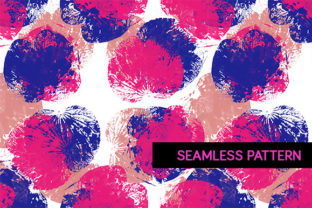
The seamless pattern of inked leaves has become a popular design element in the world of textile printing, graphic design, and digital art. This intricate pattern, often featuring grungy stamps in shades of blue and pink, offers a unique blend of organic beauty and artistic texture. Whether used in fashion, home décor, or digital projects, this type of pattern is both visually appealing and highly functional.
What Is a Seamless Pattern?
A seamless pattern is a repeating design that can be tiled without visible seams or gaps. It’s created by arranging elements in such a way that they seamlessly connect at the edges. This makes it ideal for use in textiles, wallpaper, and other materials where continuous repetition is necessary.
Unlike traditional patterns that require careful alignment, seamless patterns are designed to repeat infinitely. This means they can be scaled up or down without losing their visual integrity. The key to creating a seamless pattern lies in ensuring that the edges of the design match perfectly when repeated.
Design Elements of the Inked Leaf Pattern
The seamless pattern of inked leaves typically features stylized leaf shapes with a textured, grungy appearance. These leaves are often rendered in shades of blue and pink, giving them a soft yet edgy aesthetic. The inked effect adds depth and character, making each leaf appear as though it was hand-painted or stamped onto the surface.
This design style is particularly popular in modern interior design and fashion. The combination of organic forms and muted tones creates a calming yet artistic atmosphere. The grungy texture also adds a sense of authenticity and uniqueness, which appeals to those who appreciate subtle imperfections.
Applications of the Inked Leaf Pattern
The versatility of the inked leaf pattern makes it suitable for a wide range of applications:
- Fashion Design: Used on clothing items like t-shirts, skirts, and accessories to add an artistic touch.
- Home Décor: Applied to curtains, wall art, and bedding to create a cohesive and stylish look.
- Digital Art: Utilized in graphic design projects, including logos, web backgrounds, and social media visuals.
- Textile Printing: Ideal for fabric prints, especially in the fashion and textile industries.
- Stationery: Incorporated into notebooks, greeting cards, and other paper products for a creative edge.
Its adaptability allows designers to experiment with different color schemes and textures, making it a go-to choice for both beginners and professionals.
Creating a High-Quality Seamless Pattern
To ensure the best results, it's important to follow certain guidelines when creating or sourcing a seamless pattern:
- Choose the Right Image Size: For high-resolution use, an image size of 6000x6000 pixels is recommended. This provides ample detail while maintaining clarity when scaled down.
- Use Transparent Backgrounds: A transparent background ensures the pattern can be easily layered over other designs or backgrounds without unwanted elements.
- Set the Resolution to 72 DPI: This is standard for digital use and ensures the pattern remains sharp on screens and print media.
- Ensure Seamless Edges: The pattern should align perfectly when repeated, with no visible seams or misalignment.
- Optimize for Different Uses: Consider how the pattern will be used—whether for print, digital, or embroidery—and adjust accordingly.
By following these steps, designers can create or select a seamless pattern that meets the needs of various projects and applications.
Why Choose Grungy Stamps in Blue and Pink?
The grungy stamp technique adds a tactile quality to the inked leaf pattern. This method involves applying ink in a way that mimics the texture of a stamp, resulting in a slightly uneven, organic feel. The use of blue and pink tones gives the design a soft and elegant look, making it versatile for both casual and formal settings.
Blue and pink are also known for their calming properties, making this pattern ideal for environments where relaxation and creativity are encouraged. In educational or therapeutic settings, such as art therapy or meditation spaces, this design can contribute to a peaceful and inspiring atmosphere.
Common Misconceptions About Seamless Patterns
There are several misconceptions about seamless patterns that can affect their use and perception:
- Misconception 1: Seamless patterns are only for decorative purposes. While they are often used decoratively, they are also valuable in practical applications like branding and product design.
- Misconception 2: They are difficult to create. With the right tools and techniques, even beginners can create or modify seamless patterns using digital design software.
- Misconception 3: They lack originality. In reality, seamless patterns offer endless possibilities for customization and innovation.
Understanding these misconceptions helps designers make informed decisions and explore new creative avenues.
Conclusion: The Future of Seamless Design
The seamless pattern of inked leaves represents more than just a design trend—it’s a reflection of modern aesthetics and creative expression. Its ability to blend organic forms with digital precision makes it a powerful tool for designers across multiple industries.
As technology continues to evolve, so too does the potential for seamless patterns. From AI-generated designs to interactive digital experiences, the future of this design style is bright and full of possibilities. Whether you're a hobbyist or a professional, exploring the world of seamless patterns can open up new doors for creativity and innovation.
By understanding the principles behind seamless design and experimenting with different styles and applications, you can unlock new ways to express your artistic vision. The inked leaf pattern, with its grungy stamps in blue and pink, is just one example of how simple elements can lead to stunning, versatile results.