Mastering Mandala Vector Art Pattern 282: A Practical Guide for Creative and Productive Workflows
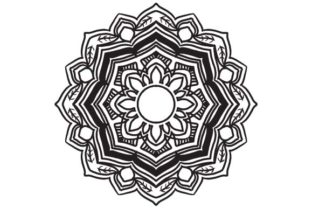
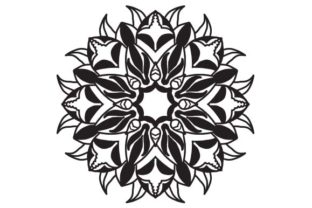
Mandala Vector Art Pattern 282 is a versatile design element that has found its place in the digital creative toolkit of professionals, hobbyists, and entrepreneurs alike. This intricate geometric pattern offers a unique blend of symmetry and detail, making it ideal for a wide range of applications—from branding and marketing to personal projects and educational content. Its adaptability and scalability make it a valuable asset for anyone looking to enhance their visual storytelling or streamline their creative process.
The Role of Mandala Vector Art Pattern 282 in Design Workflows
As a vector-based design, Mandala Vector Art Pattern 282 is built with precision and flexibility in mind. Unlike raster images, vector graphics maintain their quality at any scale, which makes them perfect for use across multiple platforms and formats. Whether you're designing for print, web, or mobile, this pattern can be seamlessly integrated into your workflow without compromising clarity or resolution.
One of the key advantages of using Mandala Vector Art Pattern 282 is its compatibility with various design software. Adobe Illustrator, Inkscape, and other vector editing tools allow users to customize the pattern, adjust colors, and incorporate it into larger compositions. This level of control ensures that the pattern can be tailored to fit specific project needs, from subtle background textures to bold foreground elements.
Integrating Mandala Vector Art Pattern 282 into Your Creative Process
Depending on the nature of your project, Mandala Vector Art Pattern 282 can serve as a foundational element or a finishing touch. For instance, when working on a branding project, the pattern can be used to create visually engaging logos, packaging designs, or social media assets. It can also be incorporated into website layouts to add depth and interest while maintaining a clean aesthetic.
During the ideation phase of a creative project, Mandala Vector Art Pattern 282 can act as a source of inspiration. The repetitive yet complex structure of the mandala encourages exploration of patterns, repetition, and balance—concepts that are central to effective design. This makes it particularly useful for designers who are brainstorming new ideas or seeking to refine their visual language.
Practical Use Cases for Mandala Vector Art Pattern 282
Mandala Vector Art Pattern 282 is not limited to traditional design applications. It can be leveraged in a variety of contexts, including:
- Marketing and Branding: As a repeating pattern in product packaging, website backgrounds, or promotional materials.
- Education: Used in teaching graphic design, color theory, or mathematical concepts like symmetry and geometry.
- Personal Projects: Incorporated into journals, planners, or decorative items for a personalized touch.
- Business Workflow: Applied in internal branding, team visuals, or presentation templates to maintain consistency.
- Freelance Work: Offered as a downloadable asset to clients looking for customizable design elements.
Each of these use cases highlights the pattern's ability to adapt to different workflows and objectives. Whether you're a professional designer or a hobbyist, understanding how to integrate Mandala Vector Art Pattern 282 into your routine can significantly enhance your output and efficiency.
Workflow Examples and Tips for Using Mandala Vector Art Pattern 282
When incorporating Mandala Vector Art Pattern 282 into your workflow, consider the following practical steps:
- Prepare Your Workspace: Ensure that your design software is updated and that all necessary tools (like brushes, gradients, and layers) are readily available.
- Customize the Pattern: Adjust colors, stroke widths, and spacing to match your project’s theme and style.
- Test Across Platforms: Preview the pattern in different formats (AI, EPS, JPG) to ensure compatibility and quality.
- Organize Your Files: Keep your assets well-structured to avoid confusion, especially if you're working on large-scale projects.
- Iterate and Refine: Use feedback from clients or peers to fine-tune the pattern’s application and overall impact.
By following these steps, you can ensure that Mandala Vector Art Pattern 282 is not only used effectively but also contributes to the long-term success of your projects.
Factors to Consider When Using Mandala Vector Art Pattern 282
While Mandala Vector Art Pattern 282 is a powerful tool, there are several factors to keep in mind to maximize its utility:
- Preparation: Always plan your design goals before importing the pattern to ensure alignment with your project’s purpose.
- Compatibility: Verify that the file format (AI, EPS, or JPG) you choose works seamlessly with your target platform or software.
- Usability: Test the pattern in real-world scenarios to gauge how it performs in different contexts.
- Organization: Maintain clear file naming conventions and folder structures to streamline your workflow.
- Consistency: Use the pattern consistently across all related materials to reinforce brand identity and visual coherence.
- Quality Control: Regularly review your work to ensure that the pattern enhances rather than detracts from the overall design.
- Long-Term Use: Choose patterns that can evolve with your projects over time, allowing for future modifications and adaptations.
These considerations help ensure that Mandala Vector Art Pattern 282 remains a valuable and sustainable part of your creative arsenal.
How Mandala Vector Art Pattern 282 Fits Into Broader Processes
Mandala Vector Art Pattern 282 is more than just a standalone design—it plays a role in broader creative and business processes. For example, in a marketing campaign, the pattern might be used to create cohesive visual elements that align with the brand’s identity and messaging. In an educational setting, it could serve as a teaching aid that helps students grasp complex design principles through hands-on practice.
Additionally, the pattern can be part of a larger workflow involving collaboration, iteration, and feedback. By integrating Mandala Vector Art Pattern 282 into these processes, you can foster creativity, improve communication, and achieve more consistent results.
Conclusion: Embracing Mandala Vector Art Pattern 282 for Enhanced Creativity and Efficiency
Mandala Vector Art Pattern 282 is a versatile and powerful design element that can be adapted to suit a wide range of creative and business needs. Whether you're working on a personal project, a professional design, or a collaborative effort, this pattern offers a unique way to enhance your visual output and streamline your workflow.
By understanding how to integrate Mandala Vector Art Pattern 282 into your routine, you can unlock new possibilities for creativity, efficiency, and consistency. With the right preparation, customization, and organization, this pattern becomes a valuable tool that supports your goals and elevates your work.